Table Of Content

You can’t pull out a hair follicle, as it’s the structure within your skin that holds your hair. If you pull out a strand of hair, you might notice a bulb or round ball (root) attached to the end of the hair strand. The root is surrounded by nerve fibers that let you feel when your hair moves or you touch your hair. Removing this root doesn’t mean your hair won’t grow back, because in most cases, it will. A hair follicle looks like a long tube that holds your hair.

What Causes Folliculitis Decalvans?
If you decide to remove the hair yourself, practice smart hair removal to reduce your chance of ingrown hair. Some types of ingrown hair cysts can’t be prevented simply by avoiding hair removal. In cases where treatment is needed, a doctor will figure out the best course for you.
How is folliculitis treated?
A doctor will usually assess an ingrown hair infection by looking at the symptoms and asking about your medical history. The first sign of an infected ingrown hair is often a bump. As the infection progresses, you may see pus, and the bump may grow larger. Keep reading to learn how to recognize an infected ingrown hair, as well as tips for treating and preventing them. Folliculitis is more common than hidradenitis suppurativa.
When to see a dermatologist
Both folliculitis and mild hidradenitis suppurativa may respond to similar medical treatments. A blocked hair follicle is part of a chronic, inflammatory skin condition. It can be treated and often prevented, but it has no cure. A dermatologist can help determine which condition you have. It’s important to seek medical help if you get a rash, pimples, or boils that don’t resolve, or that reoccur. Early or ongoing treatment can help prevent complications.
This usually comes from friction or if your skin is too dry. They can determine if you have an infection that needs medical treatment. Hair removal methods that don’t require shaving are less likely to result in ingrown hairs, but they don’t necessarily get rid of the problem entirely.
What is folliculitis decalvans?
Or you could notice that the skin in the affected area is lighter or darker than your usual skin tone. Depending on the cause of your folliculitis, you could also lose hair that doesn’t grow back. If your immune system is weakened, you could see another type of folliculitis on your chest and neck, as well as your arms.
Do Pore Strips Really Work? Here's What Dermatologists Say - Yahoo News Canada
Do Pore Strips Really Work? Here's What Dermatologists Say.
Posted: Thu, 21 Jun 2018 07:00:00 GMT [source]
Ingrown hairs can be caused by a variety of factors, including shaving, waxing, and tight clothing. They can be prevented by using proper hair removal techniques and avoiding tight clothing that can cause friction on the skin. It will make an infection more likely and can lead to scarring.
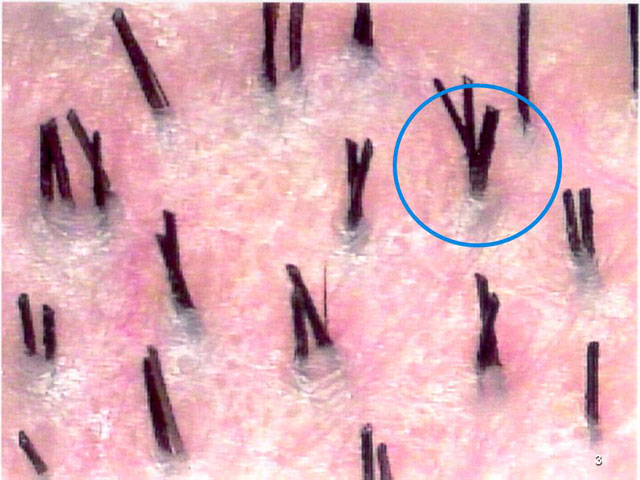
As the hair matures, it exits the skin’s surface and continues to grow. But sometimes, the hair grows crooked or curls back under before it has a chance to exit the skin. Blocked hair follicles aren’t caused by poor hygiene.
The content of this article is not intended to be a substitute for professional medical advice, examination, diagnosis, or treatment. You should always contact your doctor or other qualified healthcare professional before starting, changing, or stopping any kind of health treatment. Ahead, two dermatologists explain the causes as well as how to unclog hair follicles and rejuvenate your scalp. In more severe cases of keratosis pilaris, your dermatologist may recommend microdermabrasion or laser therapy treatments. These are only used when exfoliation, creams, and other remedies don’t work. You can help get rid of dead skin cells that may be trapped with keratin in these bumps by using gentle exfoliation methods.
Most people see breakouts about 12 to 48 hours after using the hot tub. If you have what feels like razor bumps or acne on the back of your neck or scalp, you may have acne keloidalis nuchae. Folliculitis can come back again after treatment if you don’t change your hygiene practices and self-care habits.
They can also help reduce scars from former infections. Sometimes this protein can clump together with dead skin cells and block or surround the hair follicle. There isn’t a cure for hidradenitis suppurativa (HS), the inflammatory skin condition that causes blocked hair follicles. But there are many different treatments that your doctor can give you that can ease your symptoms and make flare-ups less likely. Scalp folliculitis is a skin condition which involves inflammation of the hair follicles.
That’s because as you go through puberty, your oil glands start working harder. When new hair forms, if the hair follicle is closed up, hair can't grow out of the follicle and through the skin. If a person has an underlying health condition that weakens their immune system, they may be at a higher risk of scalp folliculitis. They may wish to speak to a doctor, who can help manage their condition and prevent scalp folliculitis. Eosinophilic folliculitis may become a chronic, but mild condition. According to NCATS, inflamed follicles usually last 1 or 2 weeks and reappear every 1 or 2 months.
Exfoliating the scalp not only helps unclog follicles but also promotes better blood circulation and healthier hair growth. Folliculitis decalvans is a rare condition that causes ongoing (chronic) inflammation of your hair follicles and scalp. The condition causes permanent hair loss with scarring (cicatricial alopecia).


No comments:
Post a Comment